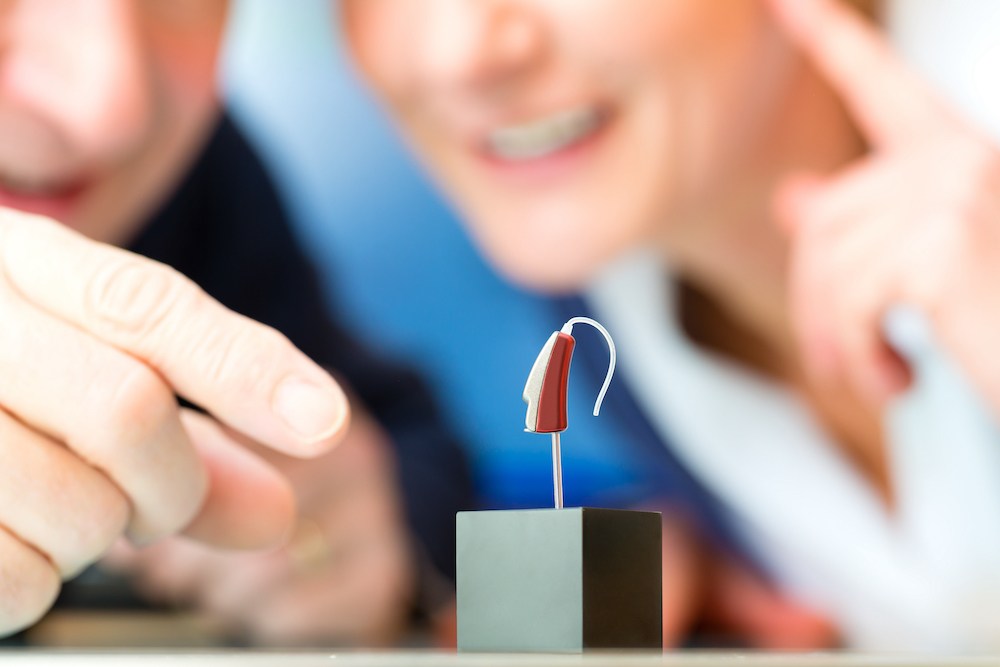
Traveling somewhere with a different climate can be an adjustment for your body, and hearing aids are exposed to those same conditions throughout the day.
When the air is more humid, there is more moisture in the environment and that can settle on small openings where sound enters and exits. Those parts are very small, so even moisture in the air can impact how sound moves through after it has been worn for a while.

Nothing may look different on the outside, but the conditions your device is working in aren’t the same as what it is used to at home.

For some people, this shows up as brief interruptions or speech that doesn’t come through as clearly in certain moments. These kinds of changes can be easier to notice when you’re in unfamiliar surroundings and already processing a lot of new information at once.

How Humidity Interferes with Hearing Aids

Humidity affects hearing aids mainly because of how moisture behaves around very small electronic parts. When there is more moisture in the air, it can settle on openings like microphones, vents and receivers, where sound is meant to pass through cleanly.

Moisture can also combine with dust or oils from skin, which makes it easier for buildup to form in tight areas. Even slight dampness can impact how sound is processed, which may lead to moments where audio feels less steady or not as clear as usual.

Since hearing aids sit close to the skin and are worn for long periods, they are exposed to these conditions in a way that can vary depending on the environment.

Common Moisture Issues That Impact Hearing Aid Performance

Moisture can affect hearing aids in a few different ways, mostly because the devices are worn close to the skin and exposed to changes in temperature.

Sweat, rain and even condensation from moving between indoor and outdoor spaces can collect around small openings where sound enters and exits.

When that happens, it can interfere with how sound is processed, which may show up as intermittent sound or slight distortion. Repeated exposure to moisture can also affect how certain internal parts function, especially in areas where airflow and sound processing happen in very tight spaces.

Noticing Early Signs of Moisture Damage

Spotting early signs of moisture damage helps you address problems before they become serious.

You might notice:

    • Sound dropping out for a moment.
    • Speech not coming through as clearly as usual.
    • A light crackling or uneven sound.
    • One hearing aid sounds slightly different from the other.
    • Volume feels lower even though your settings have not changed.
    • Sound that comes and goes depending on where you are.
    • A sense that things aren’t as steady as they were before.

Challenges Travelers Face with Hearing Aids in Humid Climates

That can make sound feel uneven at times, especially after several hours of wear. Moving between air conditioning and outdoor heat also adds quick changes in temperature, which can lead to condensation around the device.

Hearing aids may feel less consistent in how they respond during longer days outside the home environment. These factors can show up in subtle ways, even when your hearing aids look completely normal.

Steps to Prepare Your Hearing Aids Before Visiting a Humid Area

Before traveling to a humid area, it helps to take a few simple steps so your hearing aids are ready for the conditions you will be in. These adjustments can make a difference in how they perform during your trip.

Steps to prepare your hearing aids before visiting a humid area:

    • Check that the batteries or charging system are fully working.
    • Clean any visible buildup before you leave.
    • Pack a protective case for storage when not in use.
    • Bring extra supplies like batteries or filters if needed.
    • Make sure it fit securely before extended wear outdoors.

Packing Smart Essentials to Keep Hearing Aids Safe from Moisture

Extra batteries kept in a waterproof container can help avoid issues if humidity or travel conditions affect power. Silica gel packs placed in storage cases can help manage leftover moisture in enclosed spaces like a bag or case.

Cleaning wipes made for hearing aids are also commonly included, so any dust or residue picked up during the day does not stay on the surface of the device for long.

Selecting Features That Help Hearing Aids Work Better in Humid Weather

When choosing hearing aids for use in humid environments, look for models with high water-resistance ratings.

Devices labeled as water-resistant or moisture-resistant are designed to keep out sweat and humidity, making them more durable in damp conditions. Some hearing aids have special coatings or sealed battery compartments that offer extra protection.

Features like nano-coating and vented cases also help protect sensitive electronics from moisture, supporting sound even when the air feels sticky.

Keeping Devices Protected with Proper Cases and Storage While Traveling

Proper storage is key to keeping your hearing aids safe from humidity, dust and accidental drops while traveling. Use a hard-shell or waterproof case with a secure latch or zipper.

Some cases include drying features or space for silica gel packs to absorb extra moisture. Avoid leaving your devices in hot cars or damp bathrooms, as these places increase the risk of damage.

The right storage solutions make it easier to find your hearing aids and keep them working well.

Simple Ways to Dry Out Your Devices After They Get Wet

When hearing aids get wet, the first step is usually to take them off and open any battery doors so air can move through the device. That helps reduce trapped moisture around the small parts inside.

Wiping the outside with a soft cloth can remove what is sitting on the surface so it does not linger in seams or openings. After that, leaving the devices in a dry area at room temperature gives them time to air out without adding heat that could affect the components.

The main idea is to let moisture leave the device naturally instead of letting it sit inside while the hearing aids are still in use.

Managing Batteries and Power When Conditions Are Damp or Wet

Humidity can affect how well your hearing aid batteries work. Moisture may cause batteries to drain faster, corrode or stop working without warning.

To keep your devices powered up:

    • Keep spare batteries in a dry, sealed container.
    • Check battery compartments for any moisture before closing.
    • Let batteries reach room temperature before use if they were stored in cold or damp places.
    • Replace batteries if performance suddenly becomes inconsistent.
    • Avoid changing batteries with wet or damp hands.

Knowing When to Contact an Audiologist While Away from Home

In those moments, reaching out to an audiologist can help you sort through what is going on without having to guess or troubleshoot everything on your own.

Even a quick conversation can give context about whether it connects to the environment you are in or how the devices are being worn during travel. It also helps keep small questions from turning into ongoing uncertainty while you are trying to focus on being somewhere new.

Communication Tips if Humidity Disrupts Your Device Functioning

When humidity starts affecting how hearing aids are working, conversations can take more effort to keep up with, especially when there is background noise.

Getting a bit closer to the person speaking can help make their voice easier to pick up. It also helps to ask for something to be repeated right away instead of trying to fill in the gaps later.

Choosing quieter spots, when possible, can take some of the strain off following along. Letting people know you did not catch something the first time can also keep the conversation from getting off track.

Staying Prepared for Humid Weather Travel with Hearing Aids

Coming home from a trip with your hearing aids working the way they did when you left is the goal. A little preparation before you go makes that a lot more likely.

Knowing what to watch for, storing your devices properly overnight and giving them a chance to dry out can keep things running smoothly. Most issues that come up in humid climates are manageable if you catch them early.

If you get back and something still doesn’t seem right, we’re happy to help. Davis Audiology has locations in Greenville, Simpsonville and Spartanburg, SC. Our team is used to working through exactly these kinds of real-world situations.

Give us a call at (864) 810-6238 and we can take a look at what’s going on. We’ll help you figure out the best way to keep your devices working wherever you’re headed next.