A summer night at Fluor Field watching the Drive play, fireworks going off right after the last inning, is a pretty standard Upstate tradition.

The noise never comes in one blast. It builds, the crowd cheering, music between innings, then fireworks stacked on top of it all. You leave with your ears ringing a little, maybe some muffled hearing that clears by morning. Most people brush it off since nothing actually hurt.

Nobody thinks about their ears the next morning after a night like that. Why would you? Nothing hurt, nothing felt wrong, you just had a good night out. But your ears don’t forget it the way you do.

A game here, a concert there, fireworks a few times every summer, and it piles up more than you’d guess. Most people never put it together. They just notice one day that the ringing’s still there, or that conversations feel harder to follow, and can’t quite say when it started.

How Loud Is Too Loud for Your Hearing?

Sound is measured in decibels, but the numbers can be hard to picture without context. A normal conversation is usually around 60 decibels. Once sound reaches about 85 decibels, longer exposure can begin to put your hearing at risk.

Fireworks are much louder. A nearby blast can reach levels high enough to damage hearing almost instantly. Distance matters, which is why standing farther from the launch area can make a meaningful difference.

Noise risk also adds up. Concerts, fireworks, sporting events and other loud activities can all contribute to your overall exposure. Giving your ears some protection during these moments can help preserve your hearing for the long term.

Loud Outdoor Events Across Upstate South Carolina

Summer in Upstate South Carolina means more time outside, from concerts and festivals to ballgames, car shows and community events. Many of these gatherings come with sound levels that can stay high for long stretches.

A concert may expose you to amplified music for several hours, while sporting events add whistles, announcements and crowd noise. Car shows and similar events can bring sudden bursts from engines that feel especially sharp at close range.

Because these sounds often blend into the excitement around you, it is easy to underestimate how much noise your ears are taking in.

Your location at the event can change that exposure. Standing farther from speakers, engines or other major sound sources reduces the intensity reaching your ears. Finding a quieter area for a short break can also give you some relief during a long afternoon or evening outdoors.

What Loud Noise Does Inside the Ear

Inside the cochlea are tiny sensory hair cells that help convert sound vibrations into electrical signals. Those signals then travel along the auditory nerve so the brain can recognize speech, music and other sounds.

When noise is too loud, those hair cells are forced to work beyond their normal range. A single intense blast can injure them quickly, while repeated exposure can wear them down little by little. Once these cells are permanently damaged, the body cannot replace them.

That is why ringing, muffled hearing or a plugged feeling after a loud event should not be brushed off. Those symptoms can be signs that the inner ear has been stressed by the sound level. Even if hearing seems to return to normal later, repeated episodes can increase the risk of lasting hearing loss.

How to Tell When an Environment Is Too Loud

You do not need a sound meter to recognize when noise may be reaching unsafe levels. One of the easiest signs is how hard you have to work to carry on a conversation.

If you need to raise your voice to speak with someone a few feet away, the surrounding sound is already competing heavily with normal speech. That usually means your ears are taking in a high level of noise at the same time.

Your ears may give you other clues after the event. Ringing, muffled hearing or a feeling of fullness can all suggest that the exposure was too intense. Moving farther from the sound source, taking a quiet break and using ear protection can reduce how much noise reaches your ears.

Keeping Kids and Older Adults Comfortable Around Loud Noise

Loud events hit kids differently, mostly because they don’t always know when a sound’s gotten too intense. That’s on the adults around them, creating some distance and having protection ready before things get loud.

Kids’ hearing is still developing, so protecting it early really does count. Keep exposing them to really loud sound, and you’re looking at permanent damage down the road. It can also just wear a kid out or make them miserable at an event, long before they’re able to say why.

Older adults and anyone with existing hearing loss run into their own version of this. A quieter break here and there, or sitting farther from the speakers, can make the whole event a lot easier to actually enjoy.

What to Pack for Hearing Protection at Outdoor Events

A little preparation can save you from scrambling once an event gets loud. Keeping hearing protection in your car, bag or event gear means it is available when you actually need it. This is especially useful at festivals, fireworks displays and sporting events where volume can change quickly.

Disposable foam earplugs are compact and easy to carry. Reusable earplugs can also work well for adults who attend concerts or other loud events regularly. Children usually do better with properly fitted protective earmuffs made for smaller heads.

Pack protection for everyone who may need it, not just the person who usually finds noise uncomfortable. An extra pair can come in handy when plans change. Check reusable protection occasionally for worn cushions, damage or a poor fit.

Choosing Hearing Protection That Fits Properly

Hearing protection only works well when it fits correctly. The best option depends on the setting, your comfort and whether you need to hear speech or music clearly.

Before heading into a loud environment, make sure you know how your protection should sit:

  • Foam earplugs should be rolled, inserted gently and held in place while they expand.
  • Reusable earplugs should sit securely without causing pressure or discomfort.
  • Protective earmuffs should fully surround the ears without obvious gaps around the cushions.

Using Distance and Time to Reduce Noise Exposure

You do not have to avoid a concert, game or festival just because it gets loud. A few small choices about where you stand and how long you stay in the noisiest areas can reduce the strain on your ears.

Moving farther from speakers, fireworks or engines lowers the intensity of the sound reaching you. It also helps to step away from the loudest area for a while during longer events.

Those quieter breaks give your ears some relief without making you miss the whole experience.

There is no single distance or break schedule that works for every event. Sound levels vary depending on the source, your location and the surrounding environment. When things start feeling uncomfortably loud, move farther away and use hearing protection.

What to Do After a Loud Event

After a concert, fireworks show or other loud event, your ears may feel muffled or ring for a while. That happens because intense sound can temporarily disrupt how the inner ear processes sound.

The best next step is to give your hearing a quieter environment. Avoid another loud event, keep headphone volume low and limit unnecessary noise while your ears recover.

If your hearing feels normal again by the next day, the change may have been temporary. If ringing, muffled hearing or sound distortion continues, the exposure may have caused a more significant shift in your hearing.

When Loud Noise Calls for a Real Checkup

Some hearing changes after a loud night aren’t something to just wait out. Symptoms that stick around can point to actual noise damage, or something else going on with your hearing altogether.

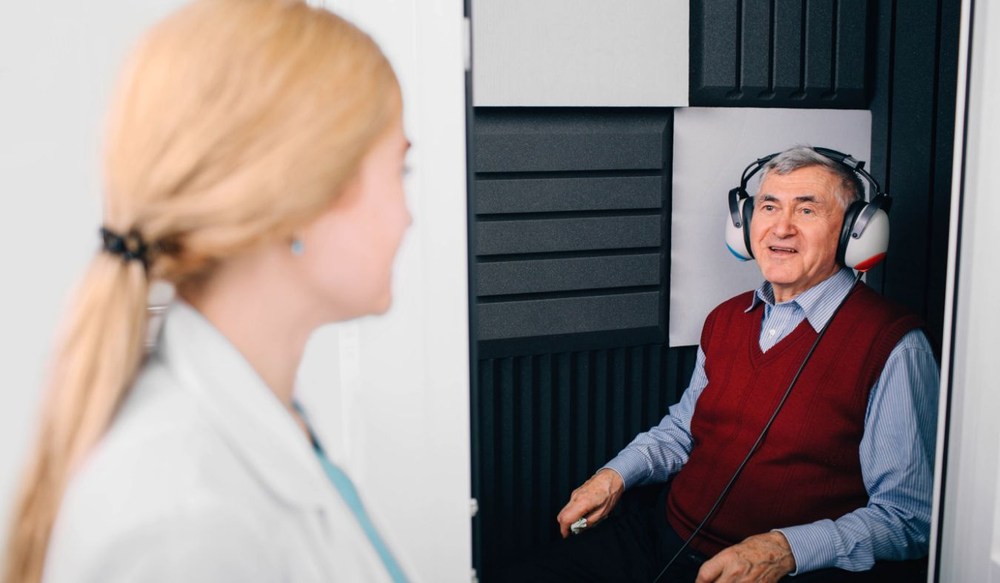
An audiologist can test how you’re hearing across different frequencies and match that up with what you’ve been noticing. That’s really the only way to know if it’s temporary or something more permanent.

A few signs worth getting checked:

  • Ringing or buzzing that hangs around well after the event’s over
  • Muffled hearing that never quite clears up
  • Trouble understanding speech in situations that used to be easy

Your Ears Are Always Listening, Even When You’re Not

A great night at the ballpark or a summer concert shouldn’t cost you something you don’t notice losing. All that noise adds up over time, even when nothing hurts in the moment. Davis Audiology can check whether those loud nights have actually caught up with you.

Maybe it’s ringing that sticks around longer than it used to, or conversations that take more effort to follow. Either way, you don’t have to wait until something feels seriously wrong to get it checked out. Reach us in Greenville, Simpsonville or Spartanburg, SC at (864) 810-6238.